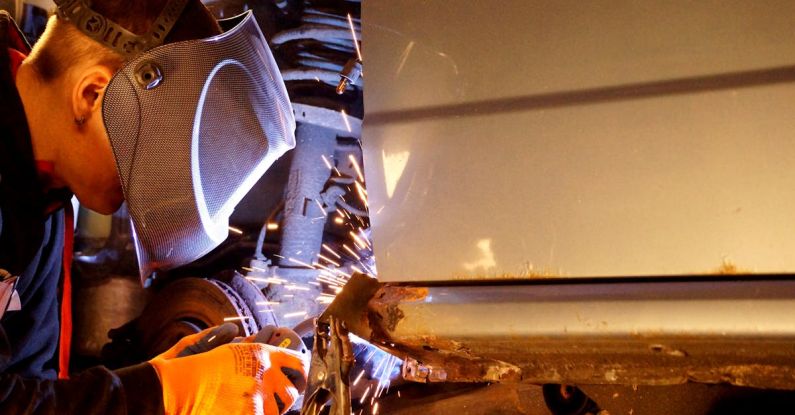
Forge welding is a traditional method of joining metals that has been practiced for centuries. It involves heating two metal pieces to a high temperature until they become malleable and then hammering them together to create a strong bond. While forge welding may seem like a straightforward process, mastering the technique requires skill, precision, and the right tools. In this article, we will explore some of the best techniques for forge welding that can help you achieve successful welds every time.
Choosing the Right Materials
Before you begin the forge welding process, it is essential to choose the right materials. The metals you are welding should have similar compositions and be compatible with each other to ensure a strong bond. Additionally, it is crucial to clean the metal surfaces thoroughly to remove any dirt, rust, or impurities that could weaken the weld.
Preparing the Forge
Properly preparing the forge is key to a successful forge welding operation. The forge should be heated to the appropriate temperature based on the type of metal you are welding. It is essential to have a clean and well-ventilated workspace to prevent any contamination during the welding process. Additionally, make sure to have all the necessary tools and safety equipment on hand before you begin.
Heating the Metals
One of the critical steps in forge welding is heating the metals to the correct temperature. The metals should be heated evenly to ensure a consistent weld. Depending on the type of metal being welded, the temperature may vary, so it is essential to refer to specific temperature guidelines for each type of metal. Once the metals reach the desired temperature, they will start to soften, indicating that they are ready to be forged together.
Applying Flux
Flux is a crucial element in forge welding as it helps to prevent oxidation and contamination of the weld. Before hammering the heated metals together, apply flux to the surfaces that will be joined. Flux not only protects the metal from oxidation but also helps to remove impurities and promote better weld penetration. It is essential to use the right type and amount of flux to achieve a clean and strong weld.
Hammering the Weld
Once the metals are heated and fluxed, it is time to forge them together. Using a hammer, carefully and evenly strike the metals to create a strong bond. It is essential to apply consistent pressure and hammering techniques to ensure that the weld is uniform and free of gaps. Work quickly but carefully to prevent the metals from cooling too much before they are fully welded.
Finishing the Weld
After the metals have been successfully forge welded, it is essential to finish the weld properly. Allow the welded piece to cool slowly to prevent cracking or distortion. Once the metal has cooled, clean off any remaining flux residue and inspect the weld for any imperfections. If necessary, you can further shape or refine the weld using additional forging techniques.
Safety Precautions
Forge welding involves working with high temperatures and heavy tools, so it is crucial to take proper safety precautions. Always wear appropriate safety gear, such as heat-resistant gloves, goggles, and protective clothing. Ensure that your workspace is well-ventilated to prevent inhalation of fumes or smoke. Additionally, be mindful of your surroundings and work in a controlled environment to avoid accidents.
In conclusion,
Forge welding is a time-honored technique that requires skill, practice, and attention to detail. By following the best techniques for forge welding and mastering the process, you can create strong and durable welds that will stand the test of time. Remember to choose the right materials, properly prepare the forge, heat the metals evenly, apply flux, hammer the weld with precision, and finish the weld with care. With dedication and practice, you can become proficient in forge welding and create beautiful and functional metalwork.