Proper ventilation is essential in any blacksmithing workshop to ensure a safe and productive environment. Blacksmithing involves working with high temperatures, heavy machinery, and potentially harmful fumes, making adequate ventilation crucial for the health and safety of those working in the space. In this article, we will discuss the importance of proper ventilation in a blacksmithing workshop and provide tips on how to effectively ventilate your workspace.
**The Importance of Proper Ventilation**
Effective ventilation is key in a blacksmithing workshop for several reasons. Firstly, it helps to remove the smoke, fumes, and gases produced during the forging process. These byproducts can be harmful if inhaled in large quantities, leading to respiratory issues and other health problems. Proper ventilation ensures that these pollutants are expelled from the workspace, creating a healthier environment for the blacksmith and anyone else present.
Additionally, good ventilation can help regulate the temperature in the workshop. Blacksmithing involves working with intense heat, and without proper ventilation, the workshop can quickly become uncomfortably hot and stuffy. By allowing for the circulation of fresh air, ventilation helps to maintain a more comfortable working environment for the blacksmith.
**Tips for Ventilating Your Blacksmithing Workshop**
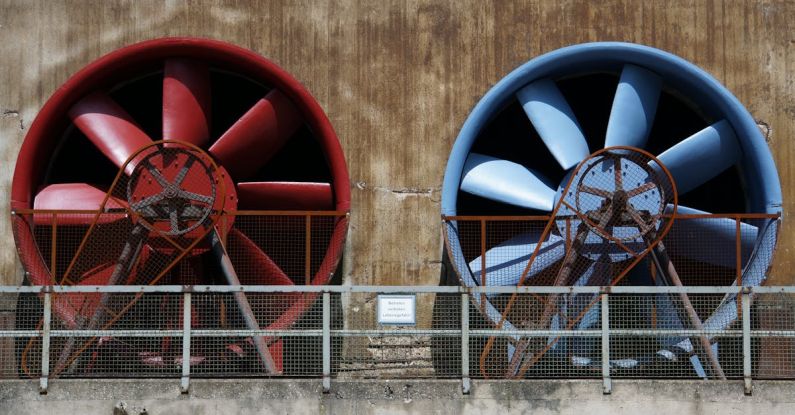
1. **Install an Exhaust System:** One of the most effective ways to ventilate a blacksmithing workshop is by installing an exhaust system. This system typically consists of a fan or blower that helps to draw out the hot air, smoke, and fumes from the workspace. Position the exhaust fan near the forge or any other equipment that produces heat and fumes for optimal ventilation.
2. **Use Natural Ventilation:** If installing an exhaust system is not feasible, natural ventilation can also be effective in keeping the workshop well-ventilated. Open windows and doors to allow for the entry of fresh air and the exit of stale air. Position fans strategically to help circulate the air throughout the space.
3. **Create Cross Ventilation:** Cross ventilation involves creating openings on opposite sides of the workshop to allow for air to flow in and out. This can be achieved by installing windows or vents on different walls of the workshop. By creating a pathway for air circulation, cross ventilation helps to maintain a steady flow of fresh air in the workspace.
4. **Consider a Dust Collection System:** In addition to fumes and gases, blacksmithing workshops also produce a significant amount of dust and particulates. A dust collection system can help to remove these particles from the air, improving air quality in the workshop. Ensure that the dust collection system is properly maintained and emptied regularly for optimal performance.
5. **Monitor Air Quality:** To ensure that your ventilation system is working effectively, consider monitoring the air quality in your workshop. You can use air quality monitors to measure levels of pollutants and make adjustments to your ventilation system as needed. Regularly check and clean filters to prevent clogging and maintain proper airflow.
**Maintaining a Safe and Productive Workspace**
Proper ventilation is essential for creating a safe and productive blacksmithing workshop. By ensuring that your workspace is well-ventilated, you can protect yourself and others from harmful fumes and gases, regulate the temperature in the workshop, and create a more comfortable working environment. Implementing the tips outlined in this article can help you effectively ventilate your blacksmithing workshop and maintain a space that is conducive to creativity and craftsmanship.