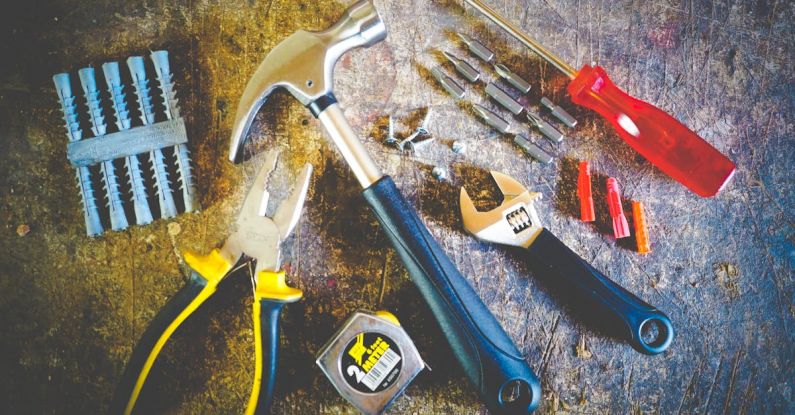
Decorative metalwork is a timeless art form that has been used for centuries to create intricate and beautiful designs in various applications such as furniture, gates, railings, and sculptures. To achieve these stunning results, metalworkers rely on a specific set of tools designed to shape and manipulate metal with precision and skill. In this article, we will explore the essential tools needed for decorative metalwork.
Metalworking Tools
When it comes to decorative metalwork, having the right tools is essential for achieving the desired results. Here are some of the key tools that every metalworker should have in their arsenal:
Welding Machine: A welding machine is a crucial tool for decorative metalwork as it is used to join metal pieces together. Whether you are working with steel, iron, or aluminum, a welding machine allows you to create strong and durable connections that form the foundation of your metalwork projects.
Angle Grinder: An angle grinder is a versatile tool that metalworkers use for cutting, grinding, and polishing metal surfaces. With different attachments and discs, an angle grinder enables metalworkers to shape and smooth metal with precision and efficiency.
Hammer and Anvil: The classic tools of the trade, a hammer and anvil are essential for shaping and forging metal into desired forms. Metalworkers use hammers of various sizes and shapes to manipulate metal on the anvil, creating intricate designs and textures.
Chisels and Punches: Chisels and punches are indispensable tools for adding detail and texture to metalwork. Metalworkers use chisels to carve intricate designs into metal surfaces, while punches are used to create patterns and textures by indenting the metal.
Metal Files: Metal files are used to smooth and refine metal surfaces, removing imperfections and creating a polished finish. With different types of files available, metalworkers can achieve precise shaping and detailing on their metalwork projects.
Vise: A vise is a clamping tool that holds metal pieces securely in place while they are being worked on. By providing stability and support, a vise allows metalworkers to focus on shaping and manipulating metal with accuracy and control.
Safety Gear: Safety should always be a top priority in decorative metalwork. Metalworkers should wear appropriate safety gear, including gloves, goggles, and a welding helmet, to protect themselves from sparks, flying debris, and fumes generated during the metalworking process.
Metalworking Table: A sturdy metalworking table provides a stable work surface for metalworkers to carry out their projects. Equipped with clamps and fixtures, a metalworking table helps secure metal pieces in place, allowing for precise and controlled metal shaping.
Measuring Tools: Accurate measurements are crucial in decorative metalwork to ensure precise cuts and fits. Metalworkers use measuring tools such as rulers, calipers, and squares to mark out dimensions and angles on metal pieces, guiding the shaping and assembly process.
Final Thoughts
Decorative metalwork is a skilled craft that requires a combination of artistry, precision, and the right tools. By having the essential tools for decorative metalwork in your workshop, you can unleash your creativity and bring your metalwork projects to life. Whether you are a seasoned metalworker or a beginner exploring the world of metal art, investing in quality tools and mastering their use will elevate your craft and allow you to create stunning pieces that showcase the beauty and versatility of metal as a medium.