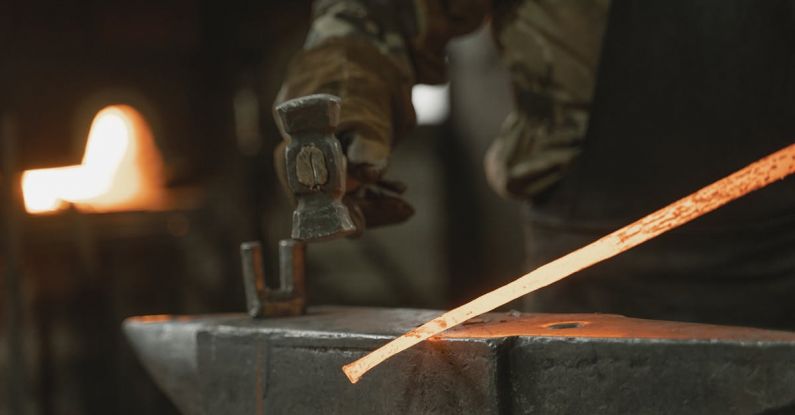
An anvil is a crucial tool in metalworking that withstands heavy use over time. However, exposure to the elements can lead to rust and corrosion, affecting its performance. Restoring a rusty anvil is essential to ensure its longevity and functionality. In this article, we will discuss the steps to effectively restore a rusty anvil and bring it back to its former glory.
Assessing the Damage
Before beginning the restoration process, it is important to assess the extent of the damage to the anvil. Inspect the surface for rust, pitting, and any other signs of deterioration. Determine if the rust is superficial or if it has penetrated deep into the metal. This initial assessment will help you determine the best approach for restoring the anvil.
Cleaning the Surface
The first step in restoring a rusty anvil is to clean the surface to remove the rust and debris. Start by scrubbing the anvil with a wire brush to remove loose rust particles and dirt. For stubborn rust spots, you can use sandpaper or a wire wheel attachment on a power drill to help loosen the rust. Be sure to wear protective gear such as gloves and a mask to prevent inhaling rust particles.
Applying a Rust Remover
After cleaning the surface, apply a rust remover to help dissolve the remaining rust. There are many commercial rust removers available on the market that are effective in breaking down rust without damaging the metal. Follow the manufacturer’s instructions for applying the rust remover and allow it to sit for the recommended amount of time. Once the rust remover has done its job, scrub the surface again with a wire brush to remove any remaining rust residue.
Smoothing the Surface
Once the rust has been removed, it is important to smooth out any pitting or rough spots on the anvil’s surface. Use sandpaper or a sanding block to gently sand the surface of the anvil, paying attention to any areas that may need extra smoothing. This step will help ensure that the anvil is flat and free of any imperfections that could affect its performance.
Protecting the Surface
To prevent future rust and corrosion, it is essential to protect the surface of the anvil after it has been restored. Apply a coat of metal primer to the surface to create a barrier against moisture and oxidation. Once the primer has dried, apply a coat of metal paint to further protect the surface and give the anvil a fresh look. Choose a paint that is specifically designed for metal surfaces for the best results.
Maintaining the Anvil
After restoring a rusty anvil, it is important to maintain it properly to prevent rust from forming again. Keep the anvil clean and dry when not in use, and periodically inspect the surface for any signs of rust or damage. Regularly oiling the anvil will also help protect the surface from moisture and corrosion.
In conclusion, restoring a rusty anvil is a rewarding process that can extend the life of this essential metalworking tool. By following these steps and taking proper care of the anvil, you can ensure that it remains in top condition for years to come. Remember to assess the damage, clean the surface, apply a rust remover, smooth out imperfections, protect the surface, and maintain the anvil regularly to keep it in optimal working condition.