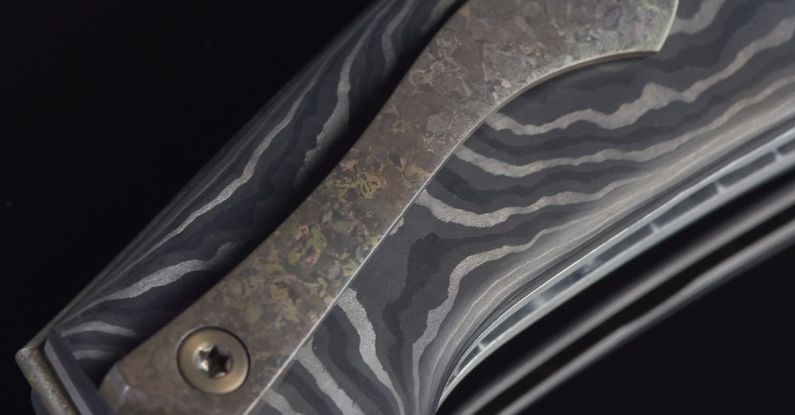
Creating Damascus steel is a fascinating process that involves the forging of multiple layers of steel to create a unique and visually stunning pattern. This ancient technique dates back to as early as 300 AD and has been prized for its exceptional strength and distinctive appearance. In this article, we will explore the key steps involved in forging Damascus steel.
Selecting the Right Steel Alloys
The first step in creating Damascus steel is selecting the right steel alloys to use in the process. Damascus steel is typically made from two or more types of steel that are layered together to create the distinctive patterns for which it is known. High-carbon steel is often combined with nickel or other alloys to achieve the desired properties in the final product. The choice of steel alloys will impact the strength, flexibility, and overall performance of the finished Damascus steel.
Preparing the Steel for Forging
Once the steel alloys have been selected, the next step is to prepare the steel for forging. This involves heating the steel to high temperatures to make it malleable and easier to work with. The steel is then hammered and folded repeatedly to create layers within the material. This process helps to distribute the different alloys evenly throughout the steel and creates the characteristic patterns that are visible in finished Damascus steel.
Forging the Steel
The actual forging of Damascus steel is a critical step in the process. Skilled blacksmiths use traditional techniques to shape and manipulate the steel, often using a hammer and anvil to carefully mold the material into the desired form. The steel is heated and hammered repeatedly to ensure that the layers are well bonded and that any impurities are removed from the material. This step requires precision and expertise to achieve the desired results.
Creating the Pattern
One of the most distinctive features of Damascus steel is its unique pattern, which is created by the layering and forging process. As the steel is folded and hammered, the different layers of alloys are compressed and stretched, resulting in a visually striking pattern that is different for each piece of Damascus steel. The pattern can be manipulated and controlled by the blacksmith to achieve specific designs or effects, making each piece of Damascus steel truly one-of-a-kind.
Heat Treatment and Quenching
After the steel has been forged and shaped into its final form, it undergoes a heat treatment process to optimize its strength and durability. The steel is heated to high temperatures and then rapidly cooled in a process known as quenching. This sudden change in temperature helps to harden the steel and improve its overall toughness. The specific heat treatment process used will depend on the desired properties of the finished Damascus steel, such as hardness, flexibility, or corrosion resistance.
Finishing and Polishing
Once the Damascus steel has been forged, heat-treated, and quenched, the final step is to finish and polish the material to bring out its unique beauty. Skilled craftsmen use a combination of techniques to enhance the pattern and shine of the steel, such as etching, polishing, and buffing. This process helps to reveal the intricate layers of the steel and create a smooth, reflective surface that highlights the craftsmanship and artistry of the Damascus steel.
In conclusion, forging Damascus steel is a complex and intricate process that requires skill, patience, and attention to detail. By carefully selecting the right steel alloys, preparing the material for forging, shaping and manipulating the steel, creating a distinctive pattern, heat-treating and quenching the steel, and finishing and polishing the material, blacksmiths can create stunning pieces of Damascus steel that are both functional and visually appealing. The timeless art of forging Damascus steel continues to captivate and inspire craftsmen and enthusiasts around the world.