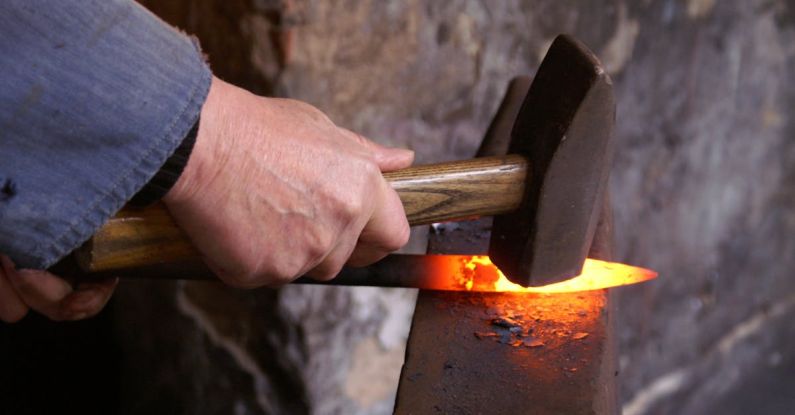
A well-crafted forge is an essential tool for blacksmiths and metalworkers. It serves as the heart of the workshop, providing the necessary heat for shaping and manipulating metal. When it comes to choosing a forge, quality is paramount. Understanding the key features of a quality forge can help you make an informed decision and ensure that your work is efficient and successful.
Choosing the right forge is crucial for achieving optimal results in metalworking projects. A quality forge will not only provide consistent and reliable heat but also offer durability, efficiency, and safety. Let’s delve into the key features that define a quality forge.
Construction and Materials
One of the most important aspects of a quality forge is its construction and the materials used in its manufacturing. A well-built forge should be made of high-quality materials that can withstand high temperatures and repeated use. Look for forges constructed from durable materials like steel or cast iron, as these can handle the intense heat generated during forging processes.
The forge chamber should be well-insulated to retain heat efficiently and prevent energy wastage. Insulation materials such as ceramic fiber or refractory bricks can help maintain a consistent temperature inside the forge, ensuring that your metal heats evenly and quickly.
Heat Output and Distribution
The heat output and distribution capabilities of a forge are crucial factors to consider when evaluating its quality. A quality forge should be able to reach and maintain the necessary temperature for metalworking tasks. The heat output of a forge is typically measured in BTUs (British Thermal Units) or kilowatts, indicating the amount of heat energy the forge can produce.
In addition to heat output, the distribution of heat within the forge is equally important. An ideal forge should provide even heat distribution throughout the chamber, ensuring that the metal heats uniformly and reduces the risk of hot spots or uneven heating. Look for forges equipped with features like multiple burners or strategically placed heating elements to achieve efficient heat distribution.
Fuel Type and Efficiency
The type of fuel a forge uses can significantly impact its performance and efficiency. Common fuel sources for forges include propane, natural gas, coal, and charcoal. Each fuel type has its advantages and considerations, such as cost, availability, and environmental impact.
Propane forges are popular for their convenience and clean-burning properties, making them a preferred choice for many metalworkers. Natural gas forges offer similar benefits to propane forges but may require a dedicated gas line for operation. Coal and charcoal forges are traditional options that provide a hot and long-lasting fire, ideal for certain forging techniques.
When choosing a forge based on fuel type, consider factors such as fuel efficiency, cost-effectiveness, and the specific requirements of your metalworking projects. Opt for a forge that aligns with your fuel preferences and operational needs.
Safety Features
Safety should always be a top priority when working with a forge. Quality forges come equipped with essential safety features to protect the user and prevent accidents. Look for forges with features like sturdy stands or bases for stability, secure ventilation systems to remove fumes, and built-in safety mechanisms to control the heat output and prevent overheating.
A quality forge should also have proper insulation and heat shields to minimize the risk of burns or accidental contact with hot surfaces. Invest in safety gear such as heat-resistant gloves, aprons, and goggles to further protect yourself while using the forge.
Maintenance and Longevity
Maintaining a forge in good condition is essential for its longevity and continued performance. Quality forges are designed for durability and easy maintenance, allowing you to focus on your metalworking projects without worrying about frequent repairs or replacements.
Look for forges that are easy to clean and maintain, with accessible components for inspection and upkeep. Regularly check and replace worn-out parts like burners, insulation, or refractory materials to ensure optimal performance. Proper maintenance practices will extend the lifespan of your forge and enhance its overall quality.
In conclusion, a quality forge is a valuable investment for any blacksmith or metalworker. By considering key features such as construction, heat output, fuel efficiency, safety measures, and maintenance requirements, you can select a forge that meets your needs and enhances your metalworking capabilities. Choose wisely, and let your quality forge be the cornerstone of your craft.