Blacksmithing is a craft that has been around for centuries, dating back to the Iron Age. It involves working with hot metals and open flames, making fire safety a crucial aspect of the trade. Blacksmiths work in environments that are inherently hazardous due to the presence of fire, molten metal, and potential sparks. Therefore, it is essential for blacksmiths to be well-versed in fire safety measures to prevent accidents and ensure a safe working environment.
Understanding the Risks
Blacksmiths work with materials that are at high risk of catching fire, such as coal, propane, and other flammable substances. Additionally, the process of heating and shaping metal involves working with extremely high temperatures, which can easily cause burns or ignite nearby materials. Being aware of these risks is the first step in implementing effective fire safety measures in a blacksmithing workshop.
Maintaining a Clean and Organized Workspace
A cluttered workspace poses a significant fire hazard for blacksmiths. Combustible materials such as sawdust, paper, and rags should be kept away from heat sources to prevent accidental fires. Regularly cleaning the workspace and disposing of combustible materials properly can help reduce the risk of fire in a blacksmithing shop. Additionally, keeping tools and equipment well-maintained and stored in designated areas can prevent accidents and ensure a safe working environment.
Proper Ventilation
Good ventilation is essential in a blacksmithing workshop to remove smoke, fumes, and other byproducts of the forging process. Proper ventilation not only improves air quality but also reduces the risk of fire by preventing the accumulation of flammable gases. Installing exhaust fans, vents, or a chimney can help maintain a safe working environment for blacksmiths.
Fire Extinguishers and Emergency Preparedness
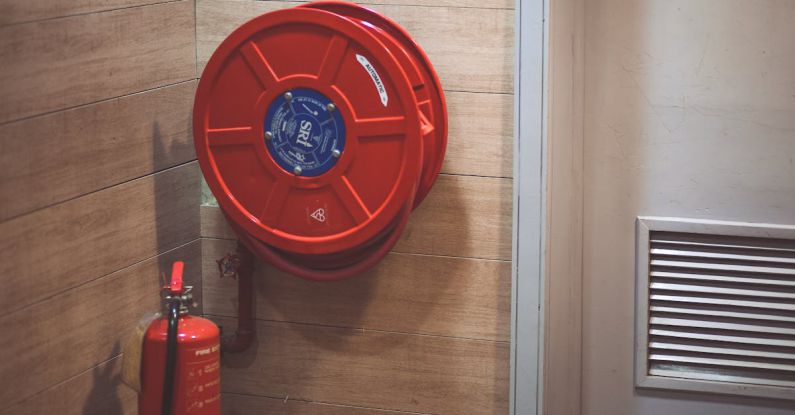
Having the right fire extinguishers and knowing how to use them is crucial for blacksmiths. Different types of fires require different types of extinguishers, so it is essential to have the appropriate extinguishers on hand. Regularly inspecting and maintaining fire extinguishers is also important to ensure they are in working condition in case of an emergency. In addition to fire extinguishers, blacksmiths should have an emergency plan in place that includes evacuation procedures and contact information for emergency services.
Personal Protective Equipment (PPE)
Wearing the proper personal protective equipment (PPE) is essential for blacksmiths to prevent injuries and protect themselves from fire hazards. PPE such as heat-resistant gloves, aprons, goggles, and boots can help shield blacksmiths from burns, sparks, and other workplace hazards. Investing in high-quality PPE is crucial for ensuring the safety and well-being of blacksmiths while working with hot metals and open flames.
Fireproofing Materials and Equipment
Using fireproof materials and equipment in a blacksmithing workshop can help contain fires and prevent them from spreading. Fireproofing materials such as fire blankets, welding curtains, and heat-resistant barriers can create a barrier between the heat source and combustible materials. Additionally, using fireproof containers for storing flammable liquids and materials can help reduce the risk of fire in a blacksmithing shop.
Continuous Training and Education
Staying informed about the latest fire safety practices and techniques is essential for blacksmiths to effectively prevent and respond to fires in the workshop. Participating in fire safety training programs, workshops, and seminars can help blacksmiths stay up-to-date on best practices and regulations related to fire safety. Continuous education and training can empower blacksmiths to create a safer working environment and reduce the risk of fire-related accidents.
Incorporating these fire safety measures into daily practice can help blacksmiths create a safer working environment and prevent accidents. By understanding the risks, maintaining a clean workspace, ensuring proper ventilation, having the right fire extinguishers, wearing appropriate PPE, using fireproof materials, and staying informed through continuous training, blacksmiths can protect themselves and their workshop from fire hazards. Prioritizing fire safety is essential for blacksmiths to continue practicing their craft safely and effectively.