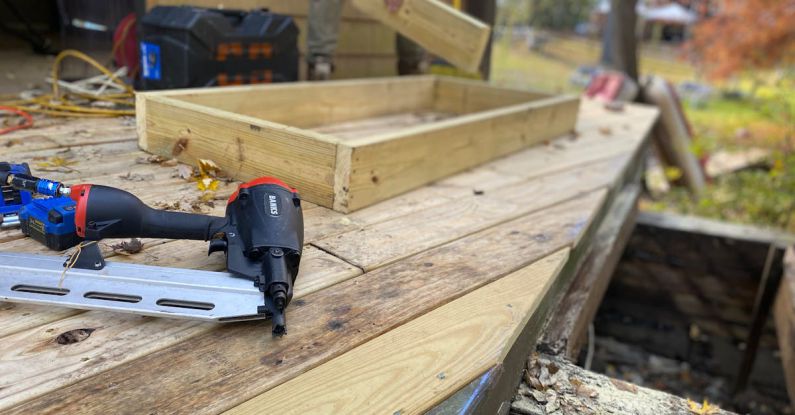
Restoring old tools can be a rewarding and satisfying endeavor for both hobbyists and professionals alike. Whether you enjoy working with your hands or appreciate the craftsmanship of bygone eras, tool restoration allows you to breathe new life into vintage equipment while honing your skills. However, achieving excellent results requires following a set of best practices to ensure that your restored tools not only look great but also perform at their best. Here are some key guidelines to consider when embarking on a tool restoration project:
Selecting the Right Tools for the Job
Before diving into a tool restoration project, it’s essential to gather the necessary tools and materials. Having the right tools at your disposal can make the restoration process smoother and more efficient. Some basic tools you may need include wire brushes, sandpaper, rust remover, lubricants, and protective gear such as gloves and goggles. Additionally, investing in specialized tools like a bench grinder or a sandblaster can help speed up the restoration process and achieve professional results.
Assessing the Condition of the Tool
Before starting any restoration work, take the time to assess the condition of the tool you plan to restore. Look for signs of rust, corrosion, wear, or damage that may affect its performance or appearance. Determine whether the tool is salvageable and worth restoring based on its historical value, rarity, or sentimental significance. Assessing the tool’s condition will help you develop a restoration plan and set realistic expectations for the outcome.
Cleaning and De-Rusting
One of the first steps in tool restoration is cleaning and removing rust from the tool’s surface. Depending on the severity of the rust, you can use various methods such as soaking the tool in a rust remover solution, scrubbing with a wire brush, or using electrolysis to remove rust effectively. Be sure to wear protective gear and work in a well-ventilated area when handling rust removal products to ensure your safety.
Stripping and Refinishing
Once the tool is free of rust and debris, you may need to strip off any existing paint or coatings before refinishing it. Use paint stripper or a sandblaster to remove old finishes and prepare the surface for refinishing. When choosing a new finish for the tool, consider factors such as durability, aesthetics, and compatibility with the tool’s material. Whether you opt for painting, powder coating, or clear coating, make sure to apply the finish evenly and allow sufficient drying time for a professional-looking result.
Repairing and Replacing Parts
During the restoration process, you may encounter damaged or missing parts that need repair or replacement. If possible, try to repair original parts using techniques like welding, brazing, or machining to retain the tool’s authenticity. If replacement parts are necessary, source them from reputable suppliers or salvage similar tools for donor parts. Pay attention to details such as alignment, fit, and functionality to ensure that the repaired or replaced parts seamlessly integrate with the tool.
Sharpening and Calibration
Once the tool has been cleaned, refinished, and repaired, the final step is sharpening and calibrating it to ensure optimal performance. Use appropriate sharpening tools such as whetstones, sharpening stones, or honing guides to sharpen blades, edges, or cutting surfaces. Check the tool’s alignment, tension, and functionality to ensure that it performs as intended. Properly calibrated tools not only look great but also deliver superior results when used.
Preserving and Maintaining
After completing the restoration process, it’s essential to take steps to preserve and maintain the tool’s condition for years to come. Apply a protective coating or wax to prevent rust and corrosion, store the tool in a dry environment away from moisture, and regularly inspect and clean the tool to prevent deterioration. Proper maintenance will prolong the life of the restored tool and allow you to enjoy its beauty and functionality for generations.
In conclusion, tool restoration is a rewarding and fulfilling pursuit that requires attention to detail, patience, and craftsmanship. By following best practices such as selecting the right tools, assessing the tool’s condition, cleaning and de-rusting, stripping and refinishing, repairing and replacing parts, sharpening and calibrating, and preserving and maintaining, you can breathe new life into old tools and create functional works of art. Whether you’re a seasoned restorer or a novice enthusiast, embracing these practices will help you achieve professional results and enjoy the process of restoring vintage tools to their former glory.