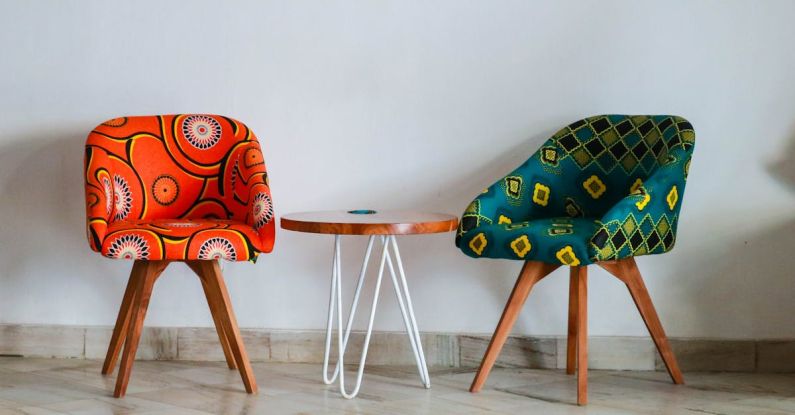
Creating custom metal furniture is a rewarding and creative endeavor that allows you to design pieces that perfectly fit your space and style. Whether you are a seasoned metalworker or a beginner looking to dive into the world of metal fabrication, this guide will provide you with essential tips and techniques to help you forge stunning and unique metal furniture pieces.
Selecting the Right Materials
The first step in forging custom metal furniture is selecting the right materials. When choosing metal for your project, consider factors such as durability, aesthetics, and ease of workability. Common metals used in furniture making include steel, aluminum, and iron. Steel is a popular choice for its strength and versatility, while aluminum is lightweight and corrosion-resistant. Iron, known for its classic and timeless appeal, can add a touch of elegance to your furniture designs. Selecting the right metal will depend on the specific requirements of your project and the desired look and feel of the final piece.
Designing Your Furniture
Before you start forging, it is essential to have a clear design plan for your custom metal furniture. Consider the function of the piece, the dimensions of the space it will occupy, and the overall aesthetic you want to achieve. Sketch out your design on paper or use design software to visualize the final product. Pay attention to details such as joint connections, proportions, and surface finishes to ensure that your furniture piece meets both functional and aesthetic requirements.
Cutting and Shaping Metal
Once you have finalized your design, it is time to cut and shape the metal to bring your vision to life. Depending on the complexity of your design, you may need to use a variety of tools such as saws, grinders, and plasma cutters to cut and shape the metal. Precision is key when cutting metal, so take your time to ensure accurate measurements and clean cuts. Shaping the metal may involve bending, welding, or forging techniques to achieve the desired form and structure of your furniture piece.
Joining Metal Components
Joining metal components is a critical step in forging custom metal furniture. Welding is a common technique used to join metal pieces together securely. Whether you are using gas welding, arc welding, or MIG welding, it is essential to practice proper welding techniques to ensure strong and durable connections. Pay attention to factors such as heat control, welding speed, and electrode selection to achieve clean and reliable welds. Additionally, consider using metal fasteners such as screws, bolts, or rivets to reinforce joints and add structural support to your furniture piece.
Finishing Touches
Once the metal components are joined together, it is time to add the finishing touches to your custom metal furniture. Finishing techniques such as grinding, sanding, and polishing can help smooth out rough edges, remove weld marks, and enhance the overall appearance of the piece. Consider applying a protective finish such as powder coating, paint, or clear sealant to protect the metal from corrosion and add a decorative touch to your furniture design. Experiment with different finishes and surface treatments to achieve the desired look and feel of your custom metal furniture piece.
Showcasing Your Work
After completing your custom metal furniture piece, take the time to showcase your work and share it with others. Display your furniture in your home, studio, or at local art shows to garner feedback and appreciation for your craftsmanship. Consider documenting your creative process through photos or videos to inspire others and showcase your skills as a metalworker. Share your work on social media platforms or online forums to connect with fellow metal enthusiasts and potential clients who may be interested in purchasing your unique creations.
Embracing the Art of Metal Furniture
Forging custom metal furniture is a blend of artistry, craftsmanship, and technical skill that allows you to express your creativity and bring your design ideas to life. By selecting the right materials, designing with precision, mastering metalworking techniques, and adding the finishing touches, you can create stunning and unique metal furniture pieces that reflect your style and passion for metal craftsmanship. Embrace the art of metal furniture making, experiment with different designs and techniques, and enjoy the process of creating one-of-a-kind pieces that will stand the test of time and bring beauty and functionality to any space.