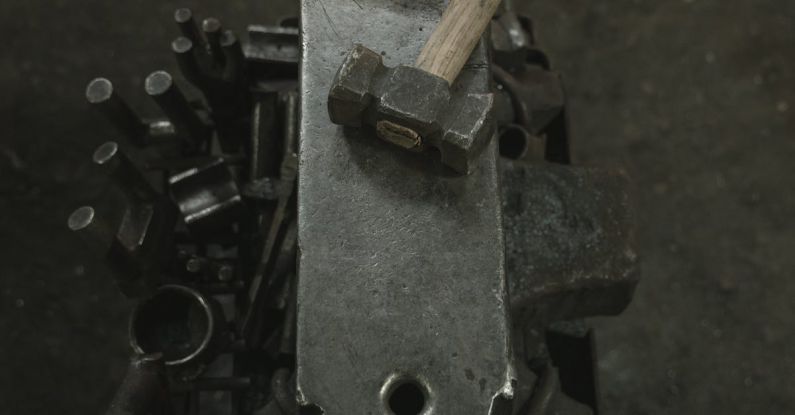
Mastering the art of forging requires the right tools, and one of the most essential pieces for any blacksmith is the anvil. Choosing the right anvil can significantly impact the quality of your work and your overall forging experience. With a variety of anvils available on the market, it can be overwhelming to decide which one is best suited for your needs. In this guide, we will explore the key factors to consider when selecting the right anvil for forging.
Understanding Anvil Types
Anvils come in various shapes, sizes, and materials, each designed for specific forging tasks. The two primary types of anvils are cast iron and steel anvils. Cast iron anvils are more affordable but are prone to chipping and deformation over time. On the other hand, steel anvils are more durable and provide better rebound, making them ideal for heavy forging work. Consider the type of forging projects you plan to undertake to determine which type of anvil best suits your needs.
Anvil Weight and Size
The weight and size of an anvil are crucial factors to consider when making your selection. Anvils come in a range of weights, typically measured in pounds. The general rule of thumb is to choose an anvil that weighs at least 50 pounds per inch of the face width. For example, a 4-inch-wide face should have an anvil that weighs a minimum of 200 pounds. The size of the anvil also plays a role in stability and productivity. A larger anvil provides more surface area for working on larger projects and offers better stability during hammering.
Anvil Material and Construction
The material and construction of an anvil determine its durability and performance. Steel anvils are the preferred choice for serious blacksmiths due to their superior strength and longevity. Look for anvils made from high-quality tool steel, such as H13 or 4140, which can withstand high-impact forging without deforming. Additionally, check the anvil’s hardness rating, as a higher hardness ensures better wear resistance and longevity.
Anvil Features and Accessories
When selecting an anvil, consider the additional features and accessories that may enhance your forging experience. Some anvils come with hardy and pritchel holes for punching and drifting tasks, while others have a horn for shaping metal. Anvils with a bick (beak) offer a curved edge for bending metal, while those with a clip horn provide a flat surface for finishing work. Evaluate your workflow and preferred forging techniques to determine which features are essential for your projects.
Anvil Price and Budget
The cost of an anvil can vary significantly depending on the material, size, and brand. While it may be tempting to opt for a cheaper anvil to save money, investing in a high-quality anvil is a wise decision in the long run. A well-made anvil will last a lifetime and provide consistent performance, whereas a low-quality anvil may need frequent repairs or replacements. Determine your budget and prioritize quality when selecting an anvil for forging.
Selecting the Right Anvil for Your Needs
Choosing the right anvil is a crucial decision for any blacksmith, as it directly impacts the quality of your work and your forging experience. Consider the type of forging projects you plan to undertake, the weight and size of the anvil, the material and construction, additional features and accessories, and your budget when making your selection. By carefully evaluating these factors, you can find the perfect anvil that meets your needs and helps you achieve outstanding results in your forging endeavors.