Restoring historical metalwork presents a unique set of challenges that require a delicate balance of artistry, expertise, and patience. From ancient artifacts to intricate architectural elements, preserving the beauty and integrity of metal pieces from the past requires specialized knowledge and skills. In this article, we will explore the complexities involved in the restoration of historical metalwork and the obstacles that conservators and restoration experts face in their efforts to revive these treasures.
Understanding the Historical Context
Before embarking on the restoration of any historical metalwork, it is crucial to have a deep understanding of the piece’s historical context. Metal artifacts often carry significant cultural, artistic, and historical value, making it essential to approach their restoration with respect and careful consideration. Conservators must conduct thorough research to uncover the techniques, materials, and styles used in the original creation of the metalwork to ensure that the restoration process aligns with the piece’s original intent.
Challenges in Material Identification and Authentication
One of the primary challenges in restoring historical metalwork lies in the identification and authentication of the original materials used in its construction. Over time, metals can corrode, degrade, or be altered through previous restoration attempts, making it difficult to determine the authenticity of the piece. Conservators must employ a variety of scientific techniques, such as X-ray fluorescence and metallography, to analyze the composition of the metal and identify any areas of concern before proceeding with the restoration process.
Preserving Patina and Surface Finishes
The patina and surface finishes of historical metalwork play a crucial role in conveying the piece’s age and character. Restoring these intricate surface treatments requires a delicate touch to ensure that the original patina is preserved while addressing any signs of corrosion or deterioration. Conservation experts must carefully clean, stabilize, and protect the surface of the metalwork to maintain its aesthetic integrity without compromising its historical value.
Consolidating Structural Integrity
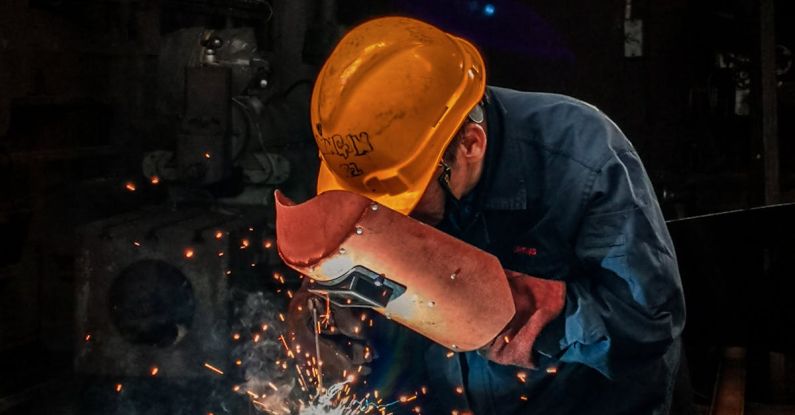
Another significant challenge in restoring historical metalwork is consolidating its structural integrity. Over time, metal pieces can suffer from corrosion, deformation, or structural instability, requiring careful intervention to strengthen and stabilize the object. Conservators may need to employ techniques such as metal welding, soldering, or riveting to repair damage and reinforce the structural integrity of the metalwork while maintaining its original form and design.
Addressing Previous Restoration Attempts
In many cases, historical metalwork has undergone previous restoration attempts that may have been well-intentioned but ultimately detrimental to the piece’s long-term preservation. Addressing the consequences of past interventions, such as inappropriate repairs, improper cleaning methods, or incompatible materials, poses a significant challenge for restoration experts. By carefully assessing the impact of previous restoration efforts and developing a strategic plan to correct any damage or inconsistencies, conservators can ensure that the metalwork is restored to its former glory without further compromising its authenticity.
Balancing Conservation and Restoration
One of the key challenges in restoring historical metalwork is striking a balance between conservation and restoration practices. While conservation aims to preserve the original materials and integrity of the piece, restoration often involves more invasive techniques to repair damage and enhance the object’s aesthetic appeal. Finding the right approach to balance these objectives requires a nuanced understanding of the historical significance of the metalwork and a thoughtful consideration of the best course of action to ensure its long-term preservation.
The Future of Historical Metalwork Restoration
As advancements in technology and conservation practices continue to evolve, the field of historical metalwork restoration faces new opportunities and challenges. By embracing innovative techniques, interdisciplinary collaborations, and a deep respect for the cultural and historical significance of these artifacts, restoration experts can continue to revive and preserve the beauty of historical metalwork for future generations to enjoy.
In conclusion, the restoration of historical metalwork is a complex and multifaceted process that requires a deep appreciation for the artistry, craftsmanship, and historical context of these treasures. By navigating the challenges of material identification, preserving surface finishes, consolidating structural integrity, addressing previous restoration attempts, and balancing conservation and restoration practices, restoration experts can breathe new life into these remarkable pieces of the past while honoring their rich history and cultural significance.