Designing custom ironwork is a meticulous process that requires careful planning and execution to achieve the desired results. Whether you are looking to create a unique piece of art or enhance the aesthetic appeal of your property, custom ironwork can add a touch of elegance and sophistication. In this article, we will explore the essential steps involved in designing custom ironwork to help you bring your vision to life.
Understanding the Project Scope
Before diving into the design process, it is crucial to have a clear understanding of the project scope. This involves defining the purpose of the ironwork, determining the style and aesthetic you want to achieve, and establishing a budget for the project. Whether you are looking to create a custom gate, railing, or decorative piece, having a clear vision of what you want will guide the design process and ensure that the end result meets your expectations.
Choosing a Design Concept
Once you have defined the project scope, the next step is to choose a design concept for your custom ironwork. This involves considering factors such as the architectural style of your property, existing design elements, and personal preferences. Whether you prefer a traditional, ornate design or a modern, minimalist look, selecting a design concept that aligns with your vision is key to creating a cohesive and visually appealing finished product.
Collaborating with a Skilled Designer
Collaborating with a skilled designer is essential in bringing your custom ironwork design to fruition. A professional designer will work closely with you to understand your vision, preferences, and requirements, and translate them into a detailed design plan. From intricate scrollwork to geometric patterns, a designer will help you explore different design options and ensure that the final design reflects your unique style and taste.
Selecting High-Quality Materials
When it comes to custom ironwork, the quality of materials used plays a significant role in the durability and overall aesthetic of the finished product. It is essential to select high-quality materials that are suited to the intended purpose of the ironwork and can withstand the elements. Whether you opt for wrought iron, steel, or aluminum, choosing the right material will ensure that your custom ironwork stands the test of time and retains its beauty for years to come.
Fabrication and Installation
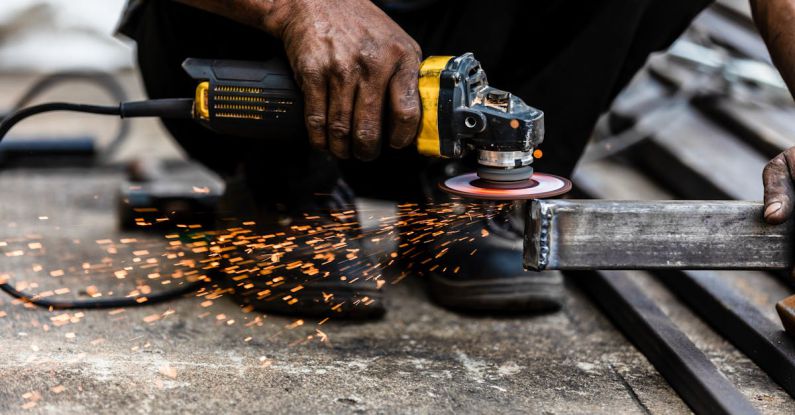
Once the design is finalized and materials are selected, the next step is fabrication and installation. This involves working with skilled craftsmen who will bring the design to life through precision metalwork and welding techniques. Whether you are creating a custom gate, railing, or sculpture, the fabrication process requires attention to detail and a focus on quality craftsmanship to ensure that the final product meets your expectations.
Adding Finishing Touches
The final step in designing custom ironwork is adding finishing touches to enhance the overall appearance and functionality of the piece. This may involve applying a protective finish to prevent rust and corrosion, adding decorative elements such as hand-forged accents or custom paint finishes, or incorporating functional features such as hinges, latches, or lighting. Paying attention to these details will elevate the design and ensure that your custom ironwork is not only visually stunning but also practical and long-lasting.
In conclusion, designing custom ironwork is a creative and rewarding process that allows you to express your unique style and enhance the beauty of your property. By following these essential steps and working with skilled professionals, you can create custom ironwork that reflects your vision and stands the test of time. Whether you are looking to add a touch of elegance to your home or create a statement piece of art, custom ironwork is a versatile and timeless design option that will enhance any space.