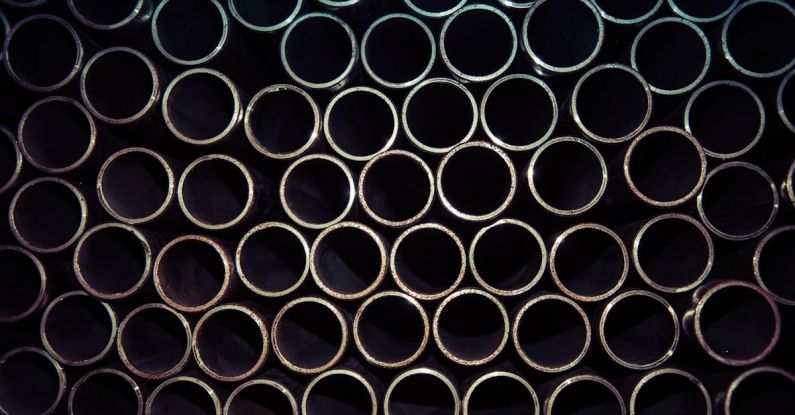
Stainless steel forging is a popular choice for creating durable and high-quality metal products. Known for its strength, corrosion resistance, and attractive appearance, stainless steel is widely used in various industries, including automotive, aerospace, and construction. Working with stainless steel in forging requires precision, skill, and knowledge of the material’s unique properties. Whether you are a seasoned blacksmith or just starting out in the world of metalworking, mastering the art of forging stainless steel can open up a world of creative possibilities. In this article, we will explore the key techniques and considerations for working with stainless steel in forging.
Choosing the Right Grade of Stainless Steel
One of the first steps in working with stainless steel in forging is selecting the appropriate grade for your project. Stainless steel comes in a variety of grades, each with its own unique properties and characteristics. The most common grades used in forging are 304, 316, and 410 stainless steel. Grade 304 is ideal for general-purpose applications, while Grade 316 offers superior corrosion resistance, making it suitable for marine environments. On the other hand, Grade 410 is known for its high strength and wear resistance, making it a popular choice for industrial applications. Before starting your forging project, research the different grades of stainless steel to determine which one best suits your needs.
Preheating and Forging Techniques
Stainless steel has a high thermal conductivity, which can make it challenging to forge compared to other metals. To overcome this, preheating the stainless steel before forging is essential. Preheating helps reduce the risk of cracking and ensures a more uniform material flow during the forging process. Aim to preheat the stainless steel to a temperature between 200°C and 300°C to make it more malleable and easier to work with. Once the stainless steel is preheated, use traditional forging techniques such as hammering, pressing, or rolling to shape the metal according to your design.
Heat Treatment and Annealing
After forging the stainless steel into the desired shape, heat treatment and annealing are crucial steps to optimize the material’s mechanical properties. Heat treatment involves heating the stainless steel to a specific temperature and then cooling it at a controlled rate to improve its hardness, strength, and ductility. Annealing, on the other hand, involves heating the stainless steel to a specific temperature and then slowly cooling it to relieve internal stresses and improve its machinability. By carefully controlling the heat treatment and annealing processes, you can enhance the performance and durability of your forged stainless steel products.
Finishing and Surface Treatment
Once the forging, heat treatment, and annealing processes are complete, the final step is finishing the stainless steel to achieve the desired surface texture and appearance. Stainless steel can be finished in various ways, including polishing, grinding, and brushing, to create a smooth, reflective surface or a textured finish. Additionally, applying surface treatments such as passivation or electropolishing can further enhance the corrosion resistance and aesthetic appeal of the stainless steel. Experiment with different finishing techniques to achieve the desired look for your forged stainless steel products.
Safety Precautions and Best Practices
Working with stainless steel in forging requires adherence to strict safety precautions to prevent accidents and ensure a successful outcome. Always wear appropriate personal protective equipment, such as gloves, safety glasses, and heat-resistant clothing, when handling hot metal. Keep your work area clean and organized to avoid tripping hazards and ensure efficient workflow. Familiarize yourself with the properties of stainless steel and the specific requirements of the forging process to minimize the risk of errors and defects in your final products.
Exploring Creative Possibilities
Working with stainless steel in forging opens up a world of creative possibilities for metalworkers and artisans alike. Whether you are crafting custom tools, decorative elements, or functional components, stainless steel offers a versatile and durable material for your projects. Experiment with different forging techniques, finishes, and designs to unleash your creativity and bring your ideas to life in stainless steel. With practice, patience, and a passion for metalworking, you can master the art of working with stainless steel in forging and create stunning, long-lasting pieces that stand the test of time.
In conclusion, mastering the art of working with stainless steel in forging requires a combination of technical skill, creativity, and attention to detail. By choosing the right grade of stainless steel, preheating the material, employing proper forging techniques, and finishing the products with care, you can create high-quality, custom stainless steel pieces that meet your specifications and exceed your expectations. Remember to prioritize safety, explore different finishing options, and embrace the creative possibilities that stainless steel forging offers. With dedication and practice, you can become proficient in working with stainless steel in forging and unlock a world of opportunities in the world of metalworking.