Creating decorative ironwork is a craft that requires skill, creativity, and attention to detail. From intricate gates and railings to ornate furniture and sculptures, decorative ironwork can add a touch of elegance and sophistication to any space. In this article, we will explore the techniques that are essential for creating stunning pieces of decorative ironwork.
Design Inspiration and Planning
Before beginning any ironwork project, it is crucial to have a clear vision of the design you want to create. Inspiration can come from a variety of sources, such as nature, architecture, or historical artworks. Sketching out your ideas and creating detailed plans will help you visualize the final product and make necessary adjustments before starting the fabrication process.
Choosing the Right Materials
The quality of the materials used in creating decorative ironwork can greatly impact the final result. High-quality wrought iron or steel is typically used for its durability and malleability. When selecting materials, consider the intended use of the ironwork, as different projects may require different gauges and strengths of metal. Additionally, choosing the appropriate finish, whether it be paint, powder coating, or patina, can enhance the aesthetic appeal of the final piece.
Forging and Shaping Techniques
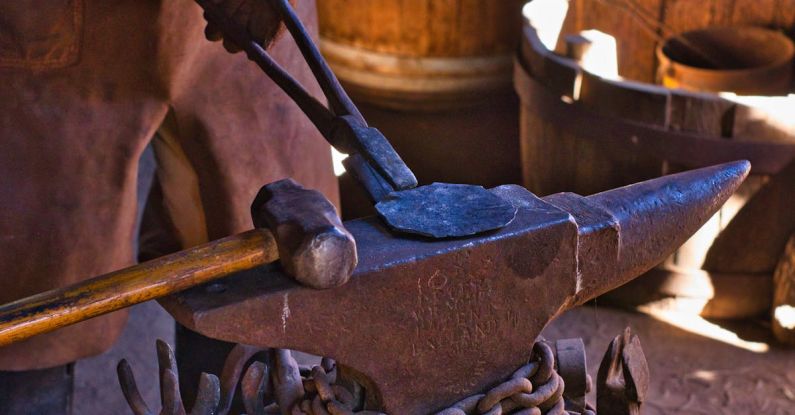
One of the fundamental techniques in creating decorative ironwork is forging and shaping the metal. Heating the metal to a malleable temperature allows it to be manipulated and formed into various shapes and designs. Blacksmithing tools such as hammers, anvils, and tongs are used to hammer, bend, and twist the metal into the desired form. By employing traditional forging techniques such as tapering, scrolling, and punching, intricate and decorative patterns can be achieved.
Joining and Welding
Joining pieces of metal together is another critical aspect of creating decorative ironwork. Welding techniques such as arc welding, MIG welding, or TIG welding are commonly used to fuse metal components together securely. Careful attention must be paid to the welding process to ensure strong and clean joints that blend seamlessly with the overall design. For traditional ironwork, riveting or collaring may be used as alternative joining methods that add a decorative element to the piece.
Texturing and Finishing
Texturing the metal surface can enhance the visual appeal of decorative ironwork by adding depth and dimension to the design. Techniques such as hammering, chiseling, or grinding can create unique patterns and textures on the metal surface. Experimenting with different textures and finishes can result in striking visual effects that elevate the overall aesthetic of the piece. Applying a protective finish such as wax, lacquer, or varnish can help preserve the metalwork and protect it from corrosion and weathering.
Incorporating Ornamental Elements
To truly make decorative ironwork stand out, incorporating ornamental elements such as scrolls, twists, and leaves can add a touch of elegance and intricacy to the design. These decorative elements can be created using specialized tools such as scroll jigs, twisting wrenches, and leaf punches. By combining different ornamental elements in a harmonious way, the ironwork can achieve a sense of balance and visual interest that captivates the viewer.
Maintenance and Care
Proper maintenance and care are essential for preserving the beauty and longevity of decorative ironwork. Regular cleaning with a mild soap and water solution, followed by a protective coating, can help prevent rust and corrosion. Inspecting the ironwork periodically for signs of wear or damage and addressing any issues promptly can extend its lifespan and keep it looking its best for years to come.
In conclusion, creating decorative ironwork is a labor-intensive craft that requires a combination of artistic vision, technical skill, and attention to detail. By mastering the techniques of design, forging, joining, texturing, and finishing, artisans can produce stunning pieces of ironwork that add a touch of sophistication and charm to any space. With proper maintenance and care, decorative ironwork can become timeless heirlooms that are cherished for generations to come.