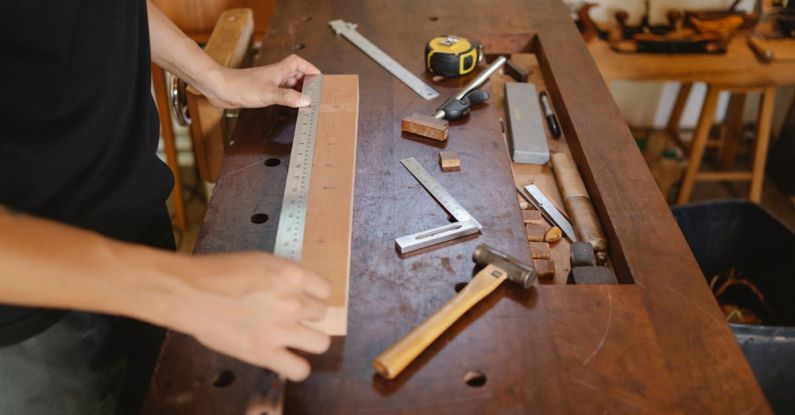
**Mastering the Art of Hammer Control**
The hammer is a versatile tool that is essential for various DIY projects and construction tasks. From driving nails to breaking through tough materials, having good control over the hammer is crucial to ensure accuracy and efficiency in your work. Whether you are a beginner or a seasoned professional, mastering the art of hammer control can significantly improve your craftsmanship. In this article, we will explore some key techniques and tips to help you become a master at handling a hammer like a pro.
**Understanding Hammer Types**
Before diving into the techniques of hammer control, it is essential to understand the different types of hammers available and their specific uses. Claw hammers, framing hammers, ball peen hammers, and sledgehammers are some common types used in various applications. Each type has a unique design and weight distribution that affects how it should be handled. Familiarize yourself with the characteristics of each type of hammer to choose the right tool for the job and optimize your control.
**Grip and Stance**
A proper grip is the foundation of good hammer control. Hold the hammer handle firmly but not too tightly, allowing for flexibility in your wrist movements. Your grip should be comfortable and secure to prevent the hammer from slipping during use. Experiment with different hand positions on the handle to find the grip that feels most natural and gives you the most control.
In addition to the grip, your stance plays a crucial role in maintaining balance and power while using a hammer. Stand with your feet shoulder-width apart, with your dominant foot slightly forward. Distribute your weight evenly between both feet to provide stability and leverage when swinging the hammer. A solid grip combined with a stable stance forms the basis for precise hammer control.
**Swinging Technique**
The way you swing the hammer greatly impacts the accuracy and force of your strikes. Start by positioning the hammer directly above the target area, with your eyes focused on the point of impact. Keep your elbows slightly bent and your shoulders relaxed to allow for a smooth swinging motion. Use your entire arm to generate power, rather than relying solely on your wrist. Practice swinging the hammer in a controlled arc, aiming for consistent and accurate strikes on the target.
**Precision and Timing**
Achieving precision in hammer control requires a keen sense of timing and coordination. Focus on hitting the target with the center of the hammerhead to maximize impact and minimize deflection. Aim for a controlled follow-through after each strike, maintaining a steady rhythm to avoid overexertion. Pay attention to the sound and feel of each impact to gauge the effectiveness of your strikes and make necessary adjustments.
**Building Muscle Memory**
Like any skill, mastering hammer control takes practice and repetition. Engage in regular training exercises to build muscle memory and improve your coordination. Start with simple tasks such as driving nails into a piece of wood or striking a metal surface to hone your hammer control skills. Gradually increase the difficulty of the exercises to challenge yourself and push your limits. Consistent practice will help you develop a natural feel for the hammer and enhance your overall control.
**Enhancing Efficiency and Safety**
In addition to honing your hammer control skills, it is essential to prioritize efficiency and safety in your work. Minimize unnecessary movements and strikes to conserve energy and prevent fatigue. Always wear appropriate safety gear, such as gloves and eye protection, to shield yourself from potential hazards. Inspect your hammer regularly for any signs of wear or damage, and replace it if necessary to ensure optimal performance. By combining efficient techniques with a focus on safety, you can elevate your hammer control to the next level.
**Mastering the Craft**
Mastering the art of hammer control is a continuous process that requires dedication and perseverance. By understanding the nuances of hammer types, perfecting your grip and stance, honing your swinging technique, and practicing precision and timing, you can elevate your craftsmanship to new heights. Build muscle memory through regular training exercises, prioritize efficiency and safety in your work, and strive for continuous improvement in your hammer control skills. With patience and determination, you can become a master at handling a hammer with precision, power, and finesse.